
Hands resting lightly on or just above the body, an hour of profound stillness, and the settled, unburdened feeling clients return for. Gentle energy work in its classic Japanese form.
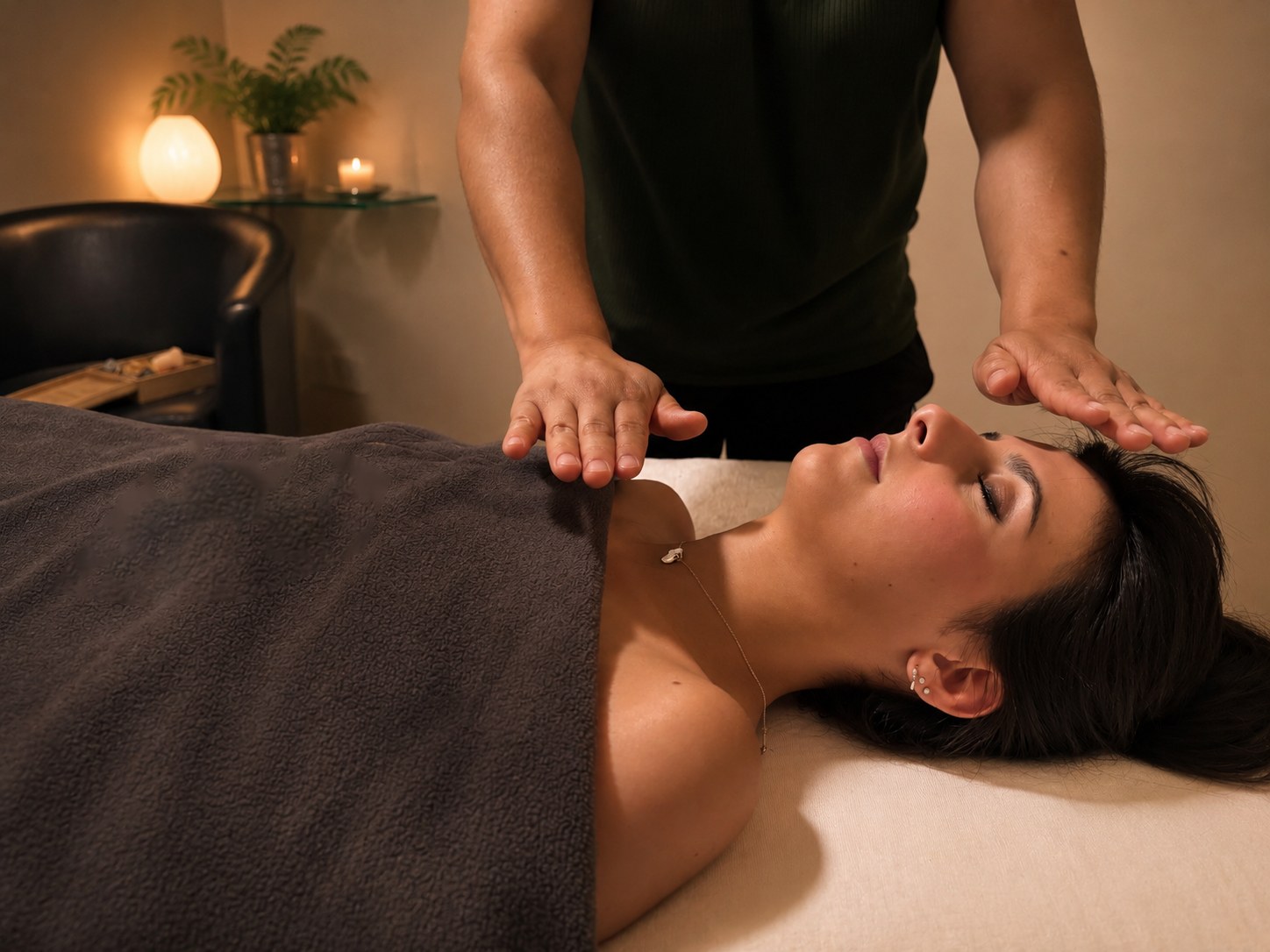
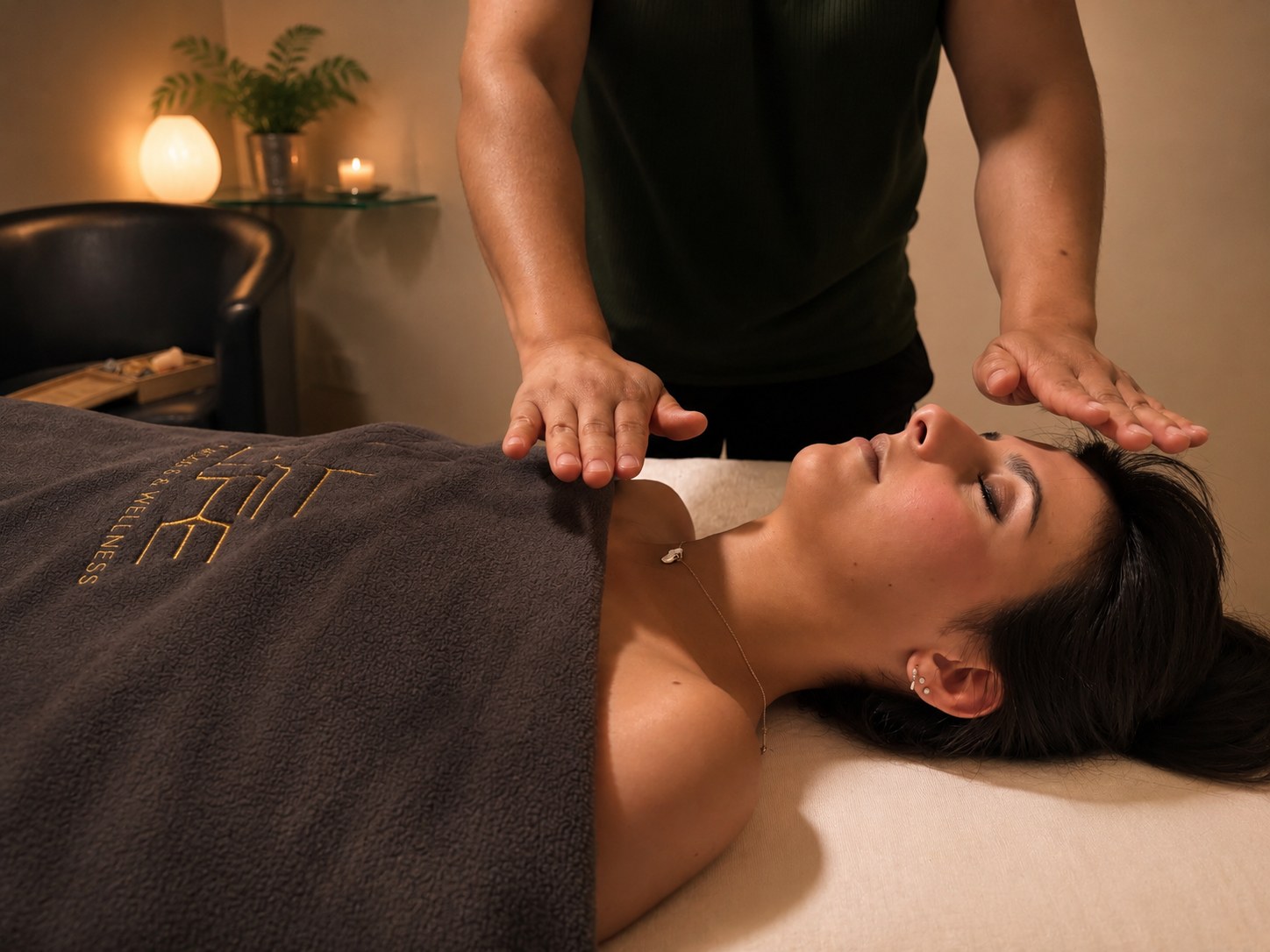
Reiki at Life Massage and Wellness in Portsmouth, NH is gentle energy work in its traditional Japanese form: you rest fully clothed on a warm table while a trained practitioner places their hands lightly on or just above a sequence of positions from head to feet. There is no pressure, no manipulation, and no effort asked of you at any point. It is among the most restful hours a person can book.
The word Reiki combines the Japanese rei, meaning universal, and ki, the term for life energy that appears across East Asian traditions. Practitioners understand the work as supporting the balanced flow of that energy; clients, whatever their framework, consistently describe the same experience: deep warmth, profound calm, a sense of weight lifting, and an emotional settledness that often lasts well beyond the session.
People arrive at Reiki from every direction. Some come through curiosity, some through a friend’s insistence, some during heavy seasons when talking feels like too much and being quietly cared for feels exactly right. Many of our regulars first booked during grief, transition, or burnout, and stayed because nothing else they tried produced this particular quality of relief.
You do not need to believe anything to receive a session; you need only be willing to lie down and rest. Sessions run 60 or 90 minutes in our quietest candlelit rooms, and skeptics are as welcome as devotees, with the same warm result reported by both.
Fully clothed, completely effortless, and open to skeptics. Come as you are.
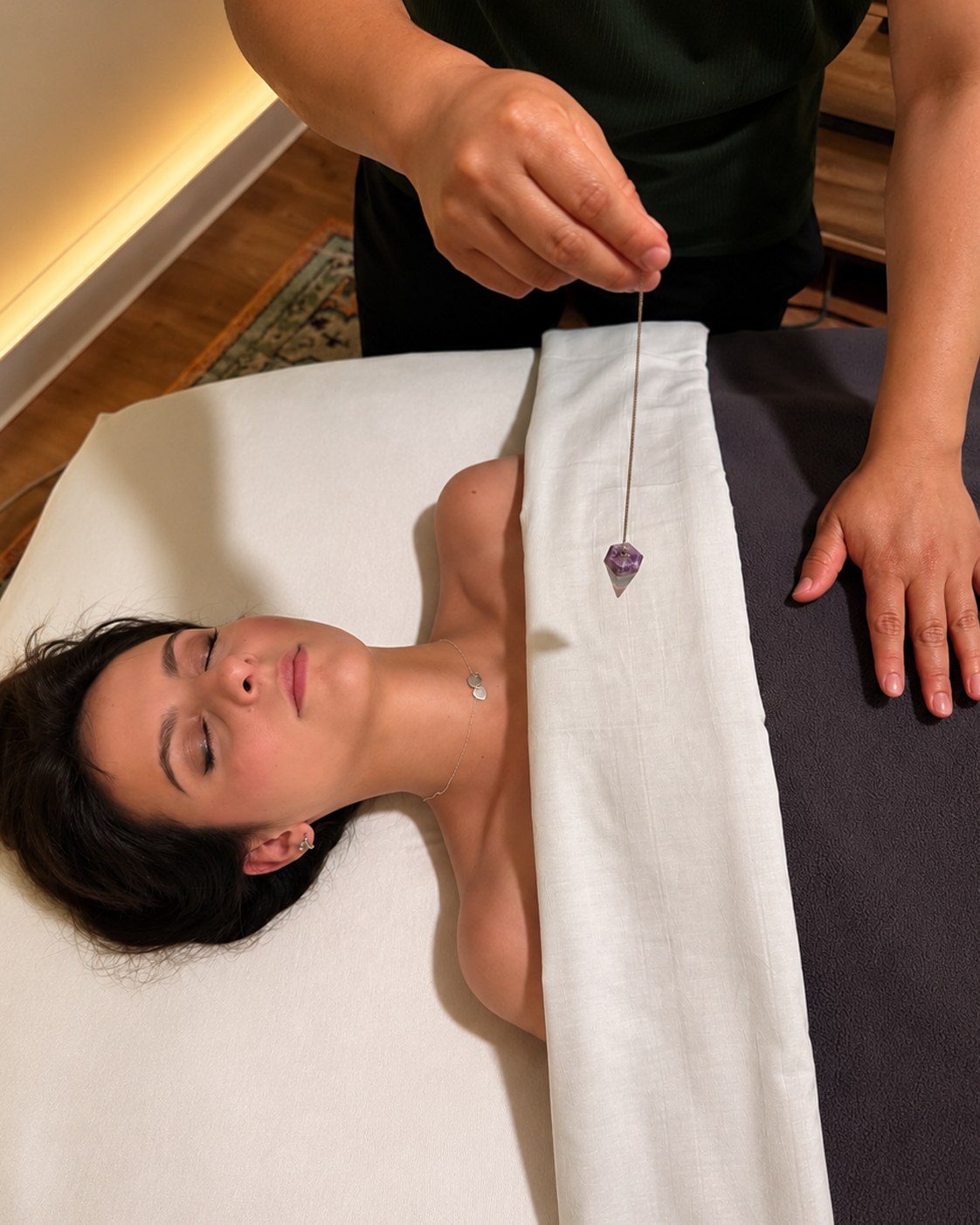
Reiki is a Japanese energy work practice developed by Mikao Usui in the early twentieth century and carried worldwide through lineages of teachers since. Practitioners train through attunements and study under Reiki masters, learning a sequence of hand positions covering the head, torso, and limbs, held either in feather-light contact or hovering just above the body.
A session is almost entirely stillness. Each position is held for several minutes while you rest, and the practitioner’s attention stays wholly with you; within the tradition they are acting as a channel for universal energy, supporting your system’s own balance rather than doing anything forceful to it. From the outside it resembles our craniosacral work; in feel, clients describe Reiki as warmer, with the signature experience being heat radiating from the practitioner’s hands, sometimes remarkably intense, even when those hands are not touching at all.
What clients report from the inside follows a consistent pattern: deep warmth at each position, a heaviness like sinking into the table, colors or drifting imagery behind closed eyes for some, emotion rising and passing gently for others, and almost universally, a state past ordinary relaxation where time goes strange. Many sleep; waking at the end feeling wrung out in the softest possible way is practically the standard outcome.
The honest framing, which we owe you: Reiki’s traditional explanation involves energy that science does not currently measure, and research on outcomes beyond relaxation is limited. We make no medical claims for it whatsoever. What requires no leap of faith is the effect of an hour of attentive, safe, intention-filled human presence on a stressed nervous system, and the decades of clients who leave these sessions visibly changed and book the next one. We offer Reiki on exactly those honest terms, and it fills its calendar on them comfortably.
Reiki began with Mikao Usui in 1920s Japan and traveled west through Hawayo Takata, a Japanese-American teacher who brought the practice to Hawaii in the 1930s and trained the masters from whom nearly every Western lineage descends. Practitioners today still receive the work the traditional way, through attunements passed teacher to student, which gives Reiki an unbroken line of transmission most modern wellness offerings cannot claim.
That lineage shapes the session’s character: the hand positions, the reverence, and the understanding of the practitioner as a channel rather than a source all come down from the tradition intact. You do not need the history to benefit from the hour, but clients who ask about it tend to find that the practice’s depth of roots matches the depth of the experience.
Clients book Reiki for the state it produces rather than a problem it fixes. That state has recognizable features: the mental noise drops several notches, the body stops bracing, emotions that were stuck in the throat move through and settle, and the world feels more manageable on the walk to the car than it did on the walk in.
It is particularly loved during emotionally heavy seasons: grief, endings, caregiving, big transitions, and the burnout that follows long stretches of holding things together. Talking therapies ask you to process; massage asks your body to receive pressure; Reiki asks nothing at all, which on certain weeks is precisely the point. More than one client has called it the only hour where they did not have to be anything for anyone.
It also stacks beautifully with the rest of our menu. Reiki before a massage produces a client who is already deeply settled; Reiki after chakra balancing or craniosacral work extends the quiet. Regulars build combinations, and we are glad to help you sequence one.
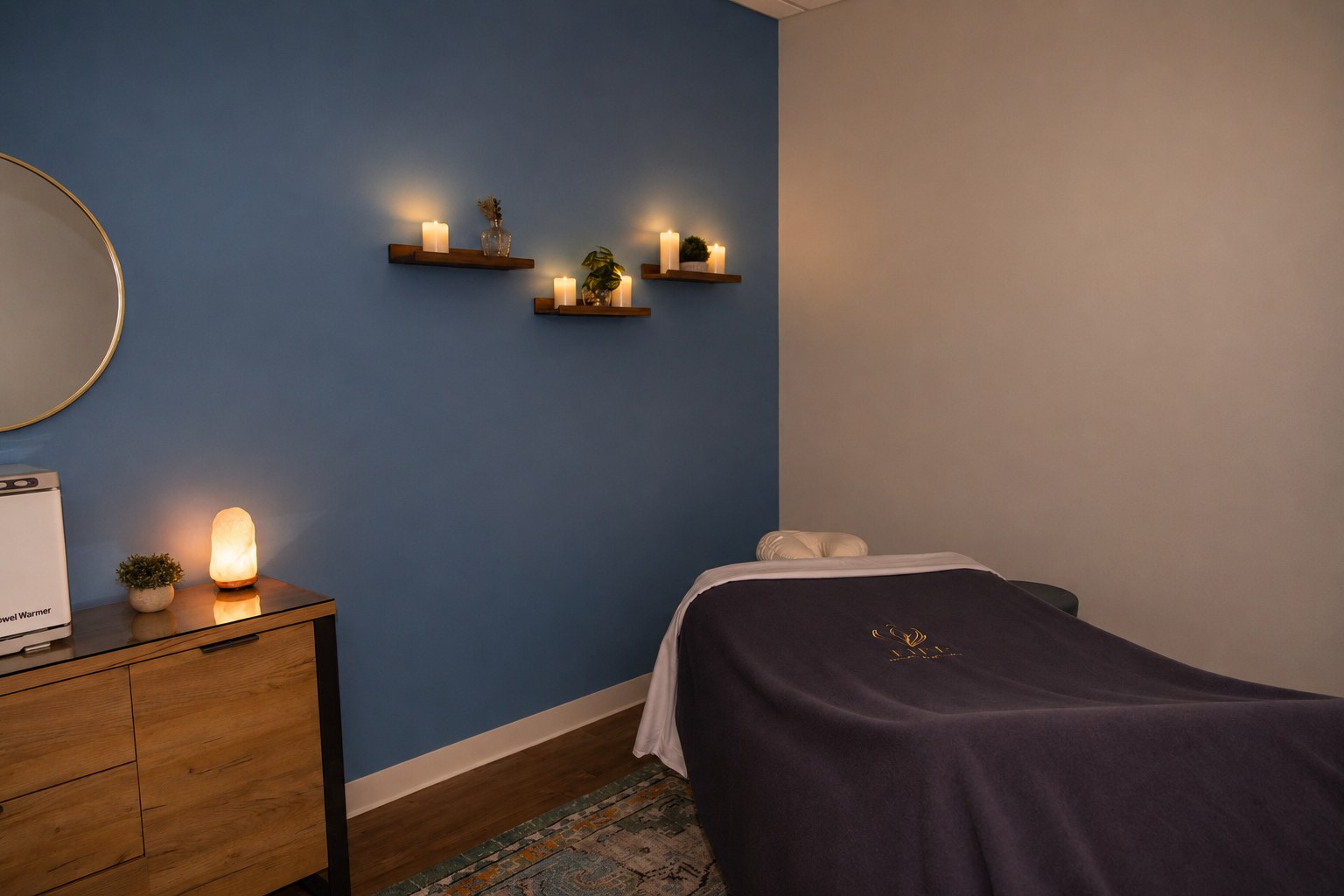
Your session begins with a brief, unhurried conversation: how you are, what has been heavy lately, and whether you prefer light physical contact or hands hovering just above; both are traditional and equally effective in practice, and the choice is entirely yours.
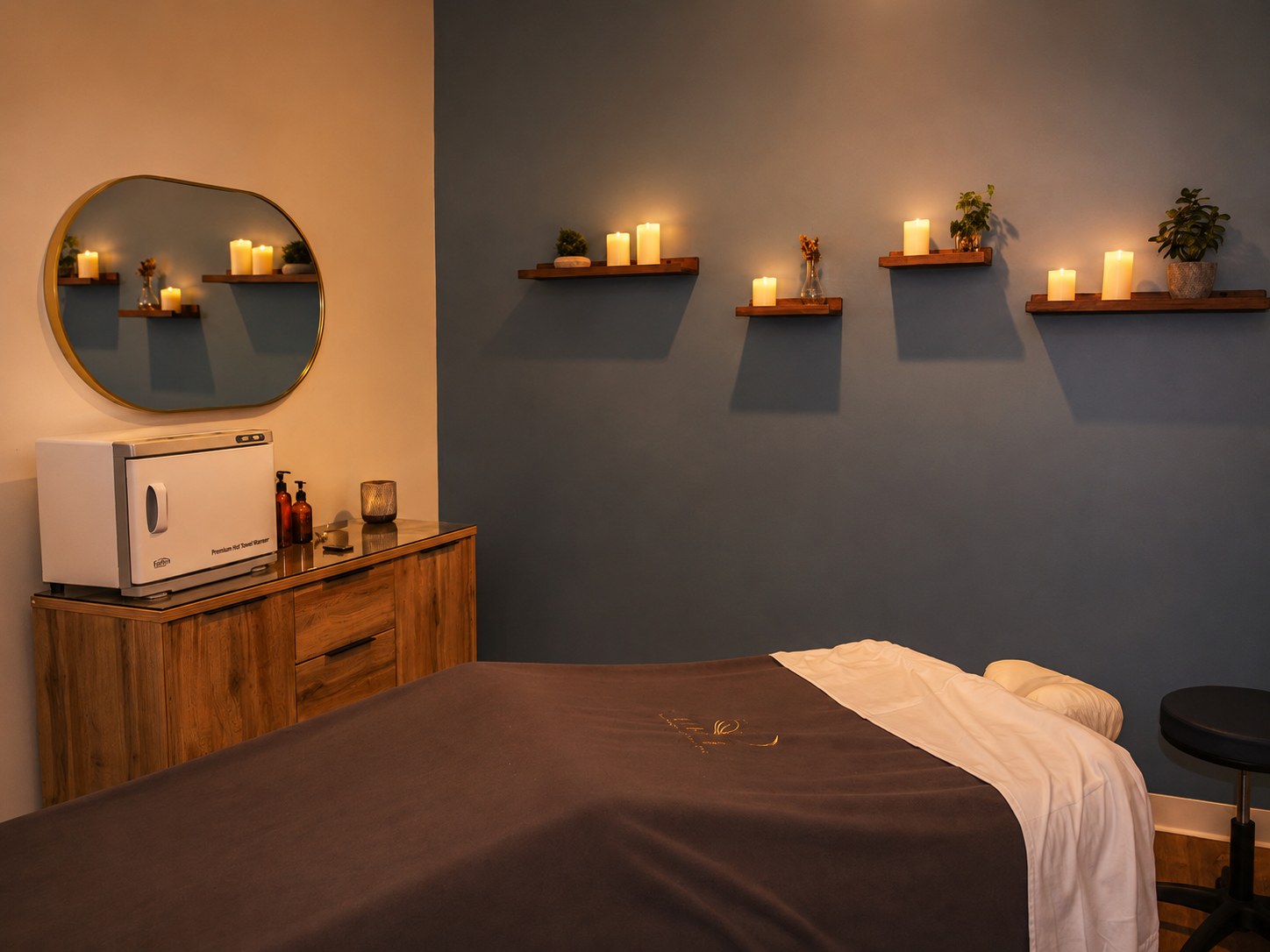
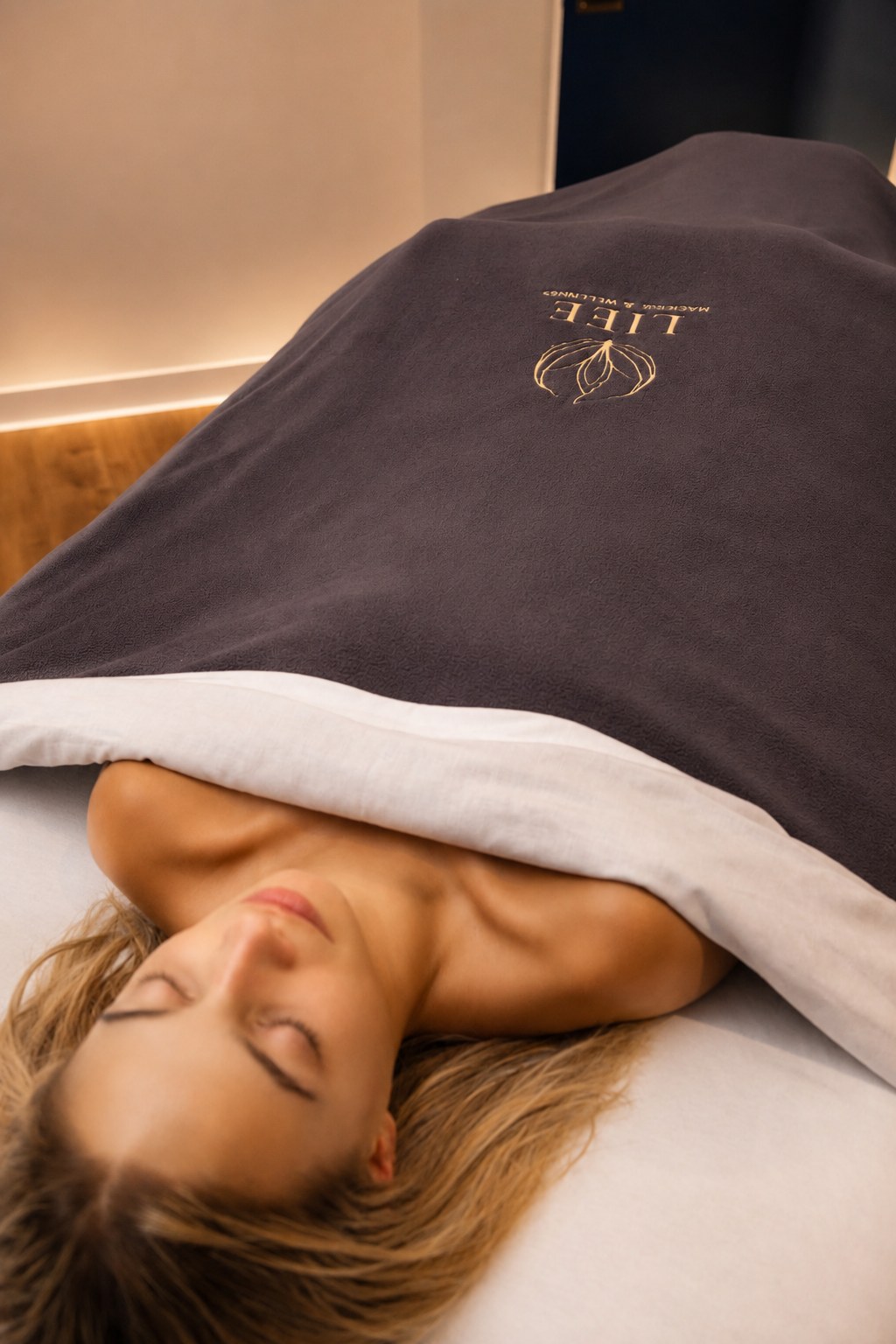
You then lie fully clothed on a warm table under a blanket, shoes off, in a candlelit room. The practitioner works through the positions slowly, head to feet, several quiet minutes at each. There is nothing to do, nothing to get right, and no moment where participation is required. Drifting, sleeping, and simply lying in the warmth are all correct.
Sessions close gently, with time to surface before you are asked to move. Most clients need a minute, and the minute is expected and unhurried.
A word about what to do during the session, since first-timers often ask: nothing, sincerely. There is no breathing technique to perform, no visualization to hold, and no correct inner posture. Some clients follow the warmth from position to position with mild curiosity; some review their week and gradually stop; most simply drift. The session does not require your cooperation, which is precisely what makes it restful in a way effortful practices are not.
It is also worth knowing that emotion sometimes surfaces during or after Reiki, gently and without drama: a few tears mid-session, an unexpected wave on the drive home, a heaviness naming itself at last. Practitioners regard this as ordinary weather in the work, meet it without fuss, and never require you to explain. Clients in tender seasons often say afterward that this was the part they most needed and least expected.
Reiki is relaxation and wellness care, not medical or mental health treatment, and we make no medical claims. These are the honest reasons clients book.
Reiki complements but never replaces medical or mental health care. If you are in crisis or managing a diagnosed condition, please keep your providers at the center of your care, and tell us anything that would help us hold the session well for you.
For the gentlest session on our menu, here is the whole shape of it.
Ten minutes early, soft clothes, and a brief conversation about how you are and your preference for light contact or hovering hands.
Fully clothed on a warm table in a candlelit room, shoes off, phone elsewhere. The practitioner tells you where they will begin.
Sixty or ninety minutes of stillness, several quiet minutes at each position from head to feet. Warmth, heaviness, drifting, and sleep are all expected.
Gentle closing, real time to come back, and water. Most clients move slowly for a few minutes, and we build that in.
Plan a soft evening; the settled feeling deepens over the following hours and the night's sleep tends to be exceptional. Drink water, let emotion move if it wants to, and note how the week feels from inside the calm; that noticing is what turns first-timers into regulars. If you booked during a hard season, be a little extra gentle with yourself the next day, and know that a follow-up session sooner rather than later is a perfectly good instinct to follow.
Energy work rises and falls entirely on the practitioner, and ours are trained in the Reiki lineage tradition and practice it because it is their calling rather than a menu line. The quality of attention in the room is the treatment, and it is the thing our Reiki regulars name first.
We also hold this work with the same honesty as everything else we offer: no medical claims, no cosmic promises, and complete welcome for skeptics, who tend to arrive folded-armed and leave asking how soon they can return. You will never be asked to believe anything here; you will only be asked whether you prefer the blanket heavier.
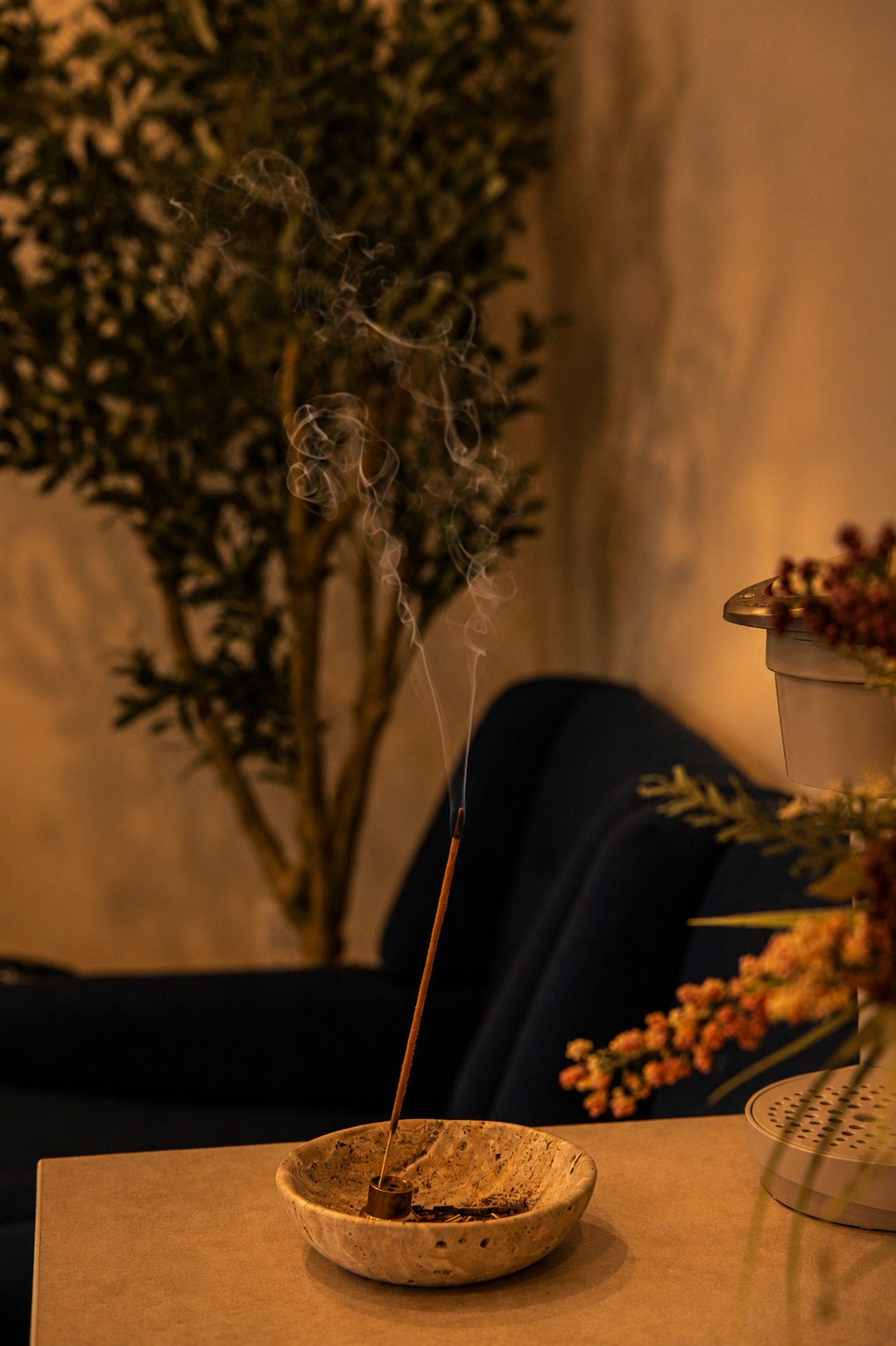
The rooms kept for Reiki are our quietest: candlelit, set back from the street, with warm tables and the kind of silence this work deserves. Free parking sits at the door of 95 Brewery Ln, Unit #17, minutes from downtown Portsmouth, with evening hours seven days a week, and an evening Reiki session followed by going straight home is the regulars’ unanimous recommendation.
Clients come from across Portsmouth and from Rye, Greenland, Newington, Dover, Newmarket, and Kittery, many during the hardest seasons of their lives, and we consider being trusted with those hours the privilege of the whole menu. If you are choosing between Reiki, chakra balancing, or craniosacral work, call and describe what you need; we will match you honestly.
A membership includes one massage or facial each month from $105, with member rates across the menu and shareable, rollover hours for six months, which makes pairing Reiki with a monthly session simple and gently priced.
A Reiki gift card says rest, without asking anything of the person carrying too much. Any amount, any service, either studio, purchased online in minutes.
Still have a question? We’re happy to talk it through before you book.
The most reported sensation is warmth radiating from the practitioner’s hands, often surprisingly strong even when the hands are hovering rather than touching. Around it, clients describe heaviness, deep calm, drifting imagery, emotion moving gently, and a state beyond ordinary relaxation where time goes strange. Sleeping through stretches is common and completely fine.
No, and we mean that plainly. Skeptics report the same warmth, calm, and settled aftermath as devotees, and some of our steadiest regulars arrived rolling their eyes. You are not asked to accept any framework, only to lie down and rest for an hour. Whatever explanation you prefer afterward, the experience itself is remarkably consistent.
Your choice, made at the start and changeable anytime. Traditional practice uses either feather-light resting contact or hands hovering just above the body, and both are complete forms of the work. Many clients prefer light contact for the groundedness of it; many prefer hovering; the reported experience is strikingly similar either way.
No. Reiki is relaxation and wellness care, we make no medical claims for it, and it never substitutes for medical or mental health treatment. Many clients use it gently alongside professional care during hard seasons, which we think is exactly the right arrangement, and we will always say so plainly.
There is no schedule to obey. During heavy stretches, weekly or biweekly sessions give many clients a standing hour of relief; in ordinary seasons, monthly is the common rhythm, often paired with a massage. First-timers should simply try one, sleep on it, and notice how the next few days feel; that answer tends to set the calendar by itself.
An hour of warmth, stillness, and being quietly cared for. Reserve online in under two minutes, or call and ask us anything first.
Therapeutic massage and specialty wellness in Portsmouth, NH and Amesbury, MA.
Portsmouth: 603 373 8780
Amesbury: 978 792 5201
Sunday 8:00 am – 5:00 pm
Monday – Thursday 8:00 am – 7:00 pm
Friday 8:00 am – 6:00 pm
Saturday 8:00 am – 5:00 pm
Sunday Closed
Monday – Thursday 9:00 am – 8:00 pm
Friday 9:00 am – 6:00 pm
Saturday 9:00 am – 5:00 pm
Sunday 8:00 am – 5:00 pm
Monday – Thursday 8:00 am – 7:00 pm
Friday 8:00 am – 6:00 pm
Saturday 8:00 am – 5:00 pm
Sunday Closed
Monday – Thursday 9:00 am – 8:00 pm
Friday 9:00 am – 6:00 pm
Saturday 9:00 am – 5:00 pm